
The challenge: two search channels reaching the same buyers
The builder invested in both SEO and paid media, and the two channels were reaching some of the same buyers through the same searches. Leadership could not tell whether the combined visibility created additional qualified demand or simply moved clicks, and credit, from one channel to the other.
Each channel has a real job. Organic search builds lasting visibility for markets, communities and floor plans. Paid campaigns give immediate exposure, promotional flexibility and control over competitive searches. The problem appeared because the two were reported separately: paid reporting focused on spend, clicks and conversions, while SEO reporting focused on rankings and organic traffic. Nobody connected them at the level of the search itself.
That gap raised a pointed question. Organic visibility indicators were improving, yet total organic clicks and impressions were lower than the year before. Was SEO losing effectiveness, or was paid coverage changing how buyers reached the site?
What Search Console showed about the builder’s organic performance
A Google Search Console comparison of the most recent three months against the same period a year earlier documented these figures:
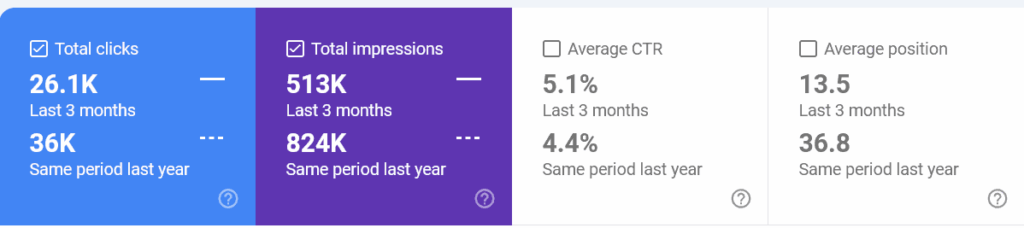
- Organic clicks: 26.1K versus 36K
- Organic impressions: 513K versus 824K
- Average click-through rate: 5.1% versus 4.4%
- Average organic position: 13.5 versus 36.8
Clicks and impressions had declined while average position and click-through rate had improved. That pattern justified a closer look, but it did not by itself prove that paid media caused the decline. Changes in search mix, demand and ranking distribution also had to be considered.
The diagnosis: comparing paid spend, organic visibility and search intent
The in-house analysis put paid keyword coverage and organic performance into one framework. Rather than treating every overlapping keyword the same, it weighed search intent, market, page type, organic ranking, paid activity and the conversion data available.
Overlap on branded and community searches
These included the builder’s name, community names, plan names and other terms buyers already recognize. Organic pages were often strong here, so ads running alongside them could be capturing clicks the builder would have earned anyway. Strong rankings still did not make paid coverage automatically unnecessary: competitor ads, promotions, community launches and the layout of the results page could all justify keeping it.
Paid reach on market, location and non-branded searches
These reflected broader demand, such as new construction homes in a city or homes of a certain type. In markets where organic rankings were still developing, paid campaigns reached buyers who were not yet searching for the builder by name. Separating these from branded searches distinguished likely overlap from genuine new reach, the same distinction at the center of the non-branded SEO case study.
Observed paid spend versus proven incremental cost
The broader in-house program involved approximately $210,000 a month in paid media. At that level, even limited duplication matters, but total spend is not a measure of waste. The analysis separated three questions:
- How much paid spend went to searches where the builder also had organic visibility?
- How much additional qualified demand did that paid coverage create beyond what organic could have captured?
- Could paid coverage change while total qualified inquiries held steady, freeing budget for markets with more growth potential?
Keyword overlap shows which paid spend deserves investigation. It does not show how much of that spend was unnecessary.
A paid click can represent new demand, block a competitor or reach a buyer who would not otherwise convert. A paid click on a mature branded search can also replace an organic visit without adding a single inquiry. That is why the cost of overlap cannot be calculated by multiplying total spend by an overlap percentage. A defensible estimate needs search-level spend, organic strength, total qualified inquiries and, where feasible, controlled comparisons.
The Dark Week test: what pausing paid search revealed
The program included a temporary pause of paid campaigns, called a Dark Week. With paid competition reduced, organic performance was observed directly, and the analysis reported a 65% increase in organic traffic against its comparison baseline.
The observation mattered because organic traffic clearly responded when paid exposure changed. It also challenged the assumption that weak organic totals meant weak SEO. But a shift in which channel receives the click is not the same as more buyers. The Dark Week did not establish an increase in total demand, and it did not show that any share of paid spend was unnecessary.
The result: a clearer performance picture and better budget decisions
The analysis established that paid and organic search were reaching overlapping demand, especially on branded and community searches where organic visibility was already strong. The Dark Week showed that channel interaction was shaping the performance picture leadership saw.
That changed how search investment could be judged. Instead of reading declining organic traffic as proof of weak SEO, the team could look at organic visibility alongside paid coverage, buyer intent and market activity, and single out campaigns that warranted testing.
What was measured and what was not:
- Measured: the Search Console comparison above, the approximate monthly paid media level and the Dark Week change in organic traffic.
- Not measured or not documented: paid spend and qualified inquiries by search group, a completed controlled market test, and any verified dollar amount recovered from advertising.
The analysis grouped searches into four decision categories. Spend and inquiry totals by group were not documented, so the table shows recommended tests, not completed budget changes.
| Search group | Organic strength | Recommended test decision |
|---|---|---|
| Builder-branded searches | Strong on selected overlapping terms | Test selective reductions while protecting against competitor ads |
| Community and plan-name searches | Strong on selected community terms | Compare mature communities with matched controls; keep launch coverage |
| Non-branded market and location searches | Varies by market | Keep paid where organic is weak; test only mature segments |
| Home-type and product searches | No group-level baseline | Set intent, organic and conversion baselines before changing bids |
The next step: a controlled test of paid search incrementality
Quantifying the financial impact requires a controlled test across comparable markets or search groups:
- Choose mature markets or search groups with established organic visibility, and keep paid coverage unchanged in comparable control markets.
- Reduce bids, restrict selected keywords or pause clearly defined coverage in the test markets, while protecting brand defense, active launches and urgent inventory campaigns.
- Compare combined paid and organic performance, total qualified inquiries and blended cost per qualified inquiry, using CRM data and noting competitor and inventory changes.
The question that matters is whether total qualified inquiries stay stable, rise or fall when paid coverage is reduced. If organic inquiries replace paid ones without losing demand, there is room to improve efficiency. If total inquiries drop, paid coverage was adding value. This test was defined but not completed within the documented work, so it remains a validation framework, not a result.
What builders can learn about paid and organic search
Paid media and SEO should be judged as one search investment, not as separate sources of traffic. Paid search is a rental: it delivers visibility immediately and stops when the budget does. SEO builds equity in pages, structure and reputation that keep working. The practical split is to use paid for visibility on day one and SEO to reduce dependency on paid over the following months.
For builders with many communities and regional campaigns, some overlap is normal. Established branded searches may justify more selective advertising, competitive non-branded searches may need paid coverage while organic develops, and launches, promotions and changing inventory can justify campaigns that would otherwise look redundant. Rankings and channel-level conversions never tell the full financial story; total qualified inquiries, market performance and lead quality do.
Five questions leadership should ask paid and SEO teams
These questions come from Cristobal Varela’s book, What Executives Get Wrong About SEO, adapted for builders:
- Are we bidding on searches where we already rank organically, and is each of those clicks necessary?
- How is paid filling gaps that SEO cannot cover yet, such as launches and promotions?
- How is paid helping us reach buyers on non-branded searches?
- Where could we safely reduce paid spend without losing leads, and how will we test it?
- When organic performance improves, what changes in the paid strategy?
If the teams cannot answer these with data, the reporting is the first thing to fix. Link Socially connects organic visibility, paid overlap and buyer actions through revenue-driven SEO, with market-level views from SEO reporting and forecasting.